
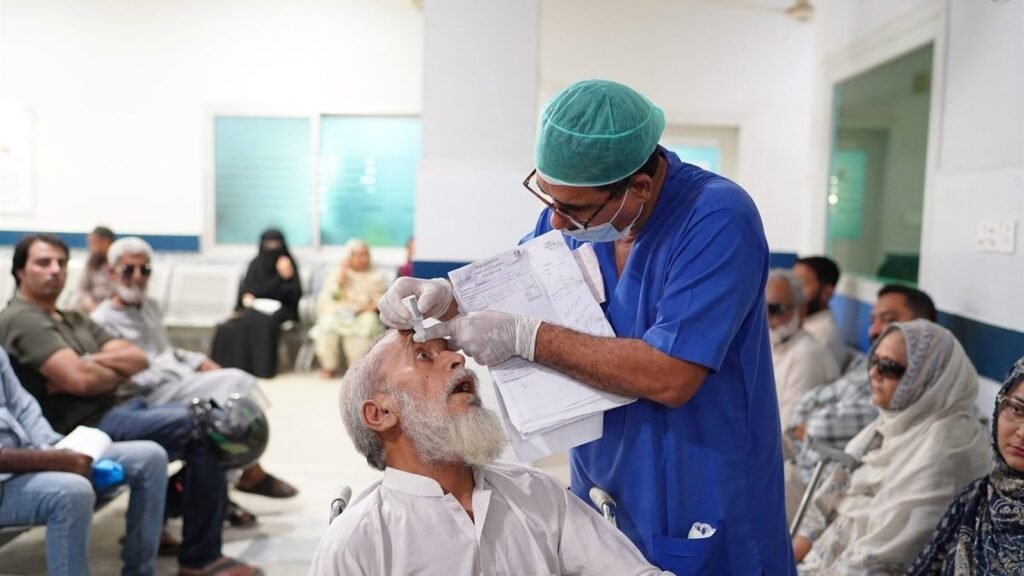
Uveitis is inflammation inside the eye. It can cause pain, redness, blurred sight, floaters and sensitivity to light. These symptoms need prompt assessment by an eye doctor. Waiting to see whether a painful red eye settles can put sight at risk. This article explains the condition, the questions an examination may answer and why follow-up matters during treatment.
The medical information comes from the UCLA Health. It is general education, not a way to diagnose a red eye at home. If symptoms have started, seeking care takes priority over finishing a checklist or reading more articles.
Inflammation inside the eye
The UCLA Health’s information on uveitis describes inflammation that can damage the uvea and other eye structures. The uvea is the middle layer of the eye. It lies between the white outer coat and the light-sensitive retina at the back.
This layer includes the iris, the coloured part visible at the front. It also includes the ciliary body, which helps the lens focus, and the choroid behind it. A doctor may use these names when explaining where inflammation has been found. Ask them to point out the affected area on a diagram if the terms are unfamiliar.
Inflammation does not always mean an infection. The immune system may be responding to an infection, or it may be attacking healthy tissue. That distinction affects the treatment discussion. A bottle of drops used by someone else cannot establish which cause applies to another person.
Symptoms that deserve prompt attention
Uveitis symptoms often begin suddenly. An eye may hurt or look red. Vision may become blurred, and light may feel uncomfortable. Floaters can appear as dark spots or moving lines in the field of view. The condition can affect one eye or both.
Tell the eye doctor when the change began and whether sight has changed since then. Describe pain, light sensitivity and new floaters separately. Saying only that an eye feels irritated may leave out the symptom that worries you most. If speaking is difficult, a relative can help explain the sequence.
Do not wait for every symptom on a list to appear. UCLA Health notes that uveitis can also have no symptoms. A professional examination is needed to work out the cause of a painful red eye or sight change. A general description should not be used to rule out other serious eye problems.
If an injury happened before the symptoms, tell the clinician clearly. An injury history belongs in the consultation even when the current concern is redness rather than an obvious wound. The separate article on what a dilated eye examination checks explains an examination used to look inside the eye.
Why the location of inflammation matters
The names used by the clinician describe where inflammation has been found. Ask which structures are affected and whether the explanation concerns one part of the eye or several. A diagram can make this clearer than a list of unfamiliar medical terms.
These are findings from an examination, not labels a patient can choose from the appearance of the eye. The same everyday description, such as blurred sight, does not identify which structure is inflamed. Ask which type has been found and how that changes the proposed plan.
Ask how the location and severity affect the next step. A reassuring comparison with another type of uveitis is not a reason to change a prescribed plan. The clinician should explain the implications of the actual examination findings.
Questions about health beyond the eye
Sometimes doctors identify a cause for uveitis, and sometimes they do not. It can be linked to infections or conditions involving the immune system. The clinician may ask about diagnosed illnesses, current medicines and previous episodes. Tests may be recommended when the history suggests another condition.
Bring an existing medical summary if one is available. A written list of medicines can help avoid confusion about names. Include prescribed eye drops as well as tablets. The purpose is to give the clinician accurate information, not to decide for yourself which medicine or illness caused the problem.
A request for further tests does not mean that every possible cause is likely. Ask what each test is looking for. Also ask who will explain the result and whether another specialist needs to be involved. Clear answers make the next steps easier to follow without guessing from an unfamiliar test name.
What the eye examination can establish
Ask the clinician what the examination involves and whether drops or further tests are needed. Explain previous difficulties with eye examinations before the assessment begins. The investigation should answer the questions raised by this person’s symptoms and medical history.
Before leaving, ask what has been confirmed and what remains uncertain. For example, inflammation may have been found while its cause is still being investigated. Those are separate questions. Keeping them separate can make a later appointment easier to understand.
It can help to record the diagnosis, affected eye and proposed follow-up date in one place. Add the name of each prescribed medicine and the instructions given. Ask the clinic to clarify any instruction that is difficult to read. Do not fill gaps in the plan using another person’s prescription.
Treatment is chosen for the affected eye and cause
UCLA Health describes corticosteroids as a way of controlling inflammation before it damages the eye. Other immune-suppressing medicines or surgery may be considered in severe cases. The treating clinician must decide what is appropriate; this general description is not a prescription.
These options are not a menu for home treatment. Which one is appropriate depends on the affected structures and other health conditions. Some people need medicines that help control the immune system. Ask the prescriber what the chosen medicine is intended to do in your case.
A useful treatment discussion covers the medicine’s name, how it will be used and when the eye will be checked again. Ask what to do if an instruction is missed or symptoms change. Follow the individual prescription; this article does not provide a dose or a stopping schedule.
Do not judge the whole treatment plan by whether a friend received different drops. Different locations and causes of inflammation may require different approaches. The reason for your own plan should be explained by the clinician who has examined your eye.
Why feeling better does not replace follow-up
Ask the treating team what follow-up is needed even if the eye feels more comfortable. The review may address the original inflammation, the treatment or further investigation. A change in symptoms should be discussed in the context of the written care plan.
Ask whether the next visit is checking inflammation, treatment side effects or both. If transport or work makes the suggested appointment difficult, discuss that before leaving. A specific follow-up arrangement is more useful than assuming another visit is needed only if pain returns.
Keep any previous examination notes for later appointments. They can help you explain when symptoms returned and what was prescribed before. Do not assume that a later episode has the same cause simply because the eye feels similar. Report the new symptoms to the treating clinician.
Make medicine instructions clear before leaving
Ask the prescriber or pharmacist to explain each instruction in words you understand. Check which eye a medicine is for and whether an earlier prescription is continuing or changing. Take the actual bottles or an accurate list when returning for review, rather than describing them only by cap colour.
If a relative will help, ask whether they can hear the explanation with you. They should have the same written plan. An instruction remembered from a previous episode may not be the current instruction, even if a bottle looks familiar.
Raise practical problems with the treating team instead of improvising. Explain if print is hard to read, a medicine is difficult to obtain or you are unsure how the instructions fit together. Ask who can clarify the prescription and how to reach them. This article does not tell you to change, stop or restart a medicine.
When another clinician is also treating a health condition, ask what information needs to be shared between the services. Confirm who will communicate any change. A patient should not have to guess whether one team already knows about a prescription from another.
Arrange the next contact while the plan is fresh
Before leaving, ask how a review will be booked and how you will receive the details. Write down the service name as well as the date. If results are pending, clarify which team will explain them and whether you should make contact if no update arrives.
Discuss travel or caring responsibilities that could affect attendance. Ask what arrangement the clinic recommends if the proposed visit is difficult to manage. A realistic plan is easier to follow than an appointment accepted without knowing how to reach it.
Keep a short account of questions that arise between visits. Separate a question about an instruction from a new or worsening symptom. Use the urgent route given by the treating team for symptoms that require prompt attention, rather than waiting to collect every question for a routine review.
If care moves to another service, ask which examination findings and medication records should accompany the referral. Confirm who is responsible for the next review. Keep copies where possible, but do not delay urgent assessment while searching for paperwork.
Help a relative follow the explanation
A companion can take notes if the patient wants that help. Ask the patient which questions they want raised and let them describe their own symptoms first. Avoid answering on their behalf simply because the consultation uses unfamiliar words.
At the end, repeat the agreed plan back in ordinary language. Ask the clinician to correct anything that has been misunderstood. The goal is to leave knowing the next action, the follow-up arrangement and the route for help, while keeping unanswered medical questions clearly marked as unanswered.
Preparing a short set of questions
For a person facing an unfamiliar diagnosis, a short written list can make the consultation clearer. Choose the questions that have not already been answered. A family member can take notes while you listen, if you want that help.
- Which part of my eye is inflamed?
- Has a cause been found, or are tests still needed?
- What is each prescribed medicine for?
- When should the eye be examined again?
- What change should prompt me to seek help sooner?
For general questions about uveitis, contact the hospital about an eye assessment. Describe the symptoms clearly. An online enquiry is not a substitute for prompt medical assessment when eye pain, redness or sight changes are present.
Readers looking for the charity’s donation information can visit the hospital’s published ways to support patient care. For someone with symptoms, the immediate step is to have the eye assessed and leave with clear treatment and follow-up instructions.
Have a question about your eyes?
PEBS Hospital in North Karachi can examine you and explain your options. Call the helpline on 021-36908053, or send a message and the team will reply.
This article is general information and does not replace an examination by an eye doctor.