
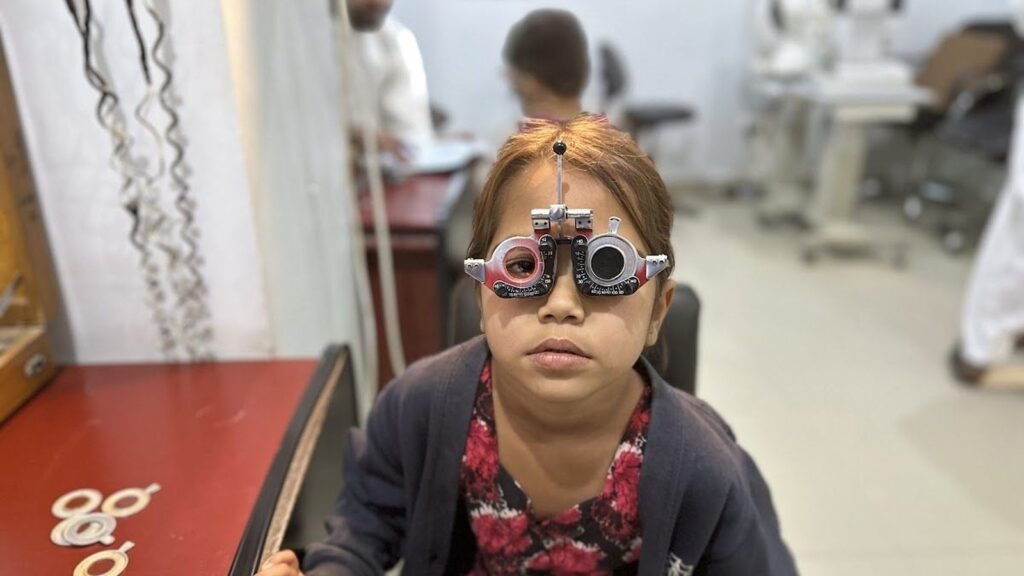
Many people in Karachi are unsure who to see when their eyes bother them. The words ophthalmologist, optometrist and optician are used loosely, and the roles overlap in everyday talk. Going to the wrong person first costs time, and it can delay treatment for a problem that needed a doctor. This guide explains who does what in eye care and which kind of problem should go where first.
Titles, training and what each professional is allowed to do differ from country to country. Use this as a guide to the roles, then ask any clinic what its staff are qualified to do.
The three roles in plain words
An ophthalmologist is a medical doctor who specialises in the eyes. Ophthalmologists diagnose and treat eye diseases and perform eye surgery. They provide medical and surgical assessment when specialist care is needed.
An optometrist examines eyes and vision, prescribes lenses and may diagnose and manage certain eye conditions. Their treatment responsibilities depend on the jurisdiction and their qualifications. Ask the clinic what assessment it offers and how it refers a problem requiring another specialist.
An optician fits and sells glasses. They help you choose frames and lenses, adjust them so they sit properly and explain how to look after them. An optician does not diagnose eye disease. In some places the same person does more than one of these jobs.
Who to see first for a vision problem
If your sight has slowly become less clear and nothing else is wrong, a sight test is a sensible first step. Print looks blurred, distant signs are harder to read, or you get headaches after reading. These are common signs that glasses may be needed or may need changing.
A sight test from an optometrist or an eye hospital can answer that question. If the test finds a sign of disease, you will be sent to a doctor. Do not delay the test because you assume the problem is only age or tiredness.
Children are a special case. Many children do not say that they cannot see well. They sit close to the television, rub their eyes or lose interest in reading. A child with these signs should have an eye examination soon. Our guide on signs of eye problems in children that parents miss explains what to look for.
Who to see first for pain, redness or sudden change
Some symptoms should go to a doctor straight away. Sudden loss of vision, sudden blurring in one eye and a painful red eye need an ophthalmologist or a hospital eye department on the same day. So do flashes of light with a shadow across your view, or an injury to the eye.
Eye pain with a headache, nausea and halos around lights should also be treated as urgent. Do not wait for a routine appointment, and do not treat it at home with old drops.
Ask a clinician about persistent redness or discharge, especially if it is worsening. Contact lens wearers should stop wearing lenses and be seen quickly if an eye becomes red and painful.
Who to see for ongoing conditions
Some conditions need regular care from an ophthalmologist. These include glaucoma, diabetic eye disease, cataract and diseases of the retina or cornea. Many of these cause no pain at first, so regular checks matter even when you feel well.
If you have diabetes, ask your clinician when retinal checks are due for your circumstances. Our guide on diabetic retinopathy and arranging retinal checks explains why. If a close relative has glaucoma, tell the doctor, because it can run in families.
Cataract is another common reason to see an ophthalmologist. Clouding of the lens is usually gradual, and the only treatment is surgery, which the surgeon will discuss when your vision is affected.
Who to see for glasses after an eye problem
After an eye disease or surgery, your doctor will usually decide when new glasses are appropriate, because the eye may still be changing. Wait for that advice before buying new frames. Then a sight test and an optician can give you glasses suited to your eyes as they are now.
Keep your prescription. A written prescription lets you compare opticians or have a second pair made. Check it with the eye care professional if the numbers do not match how well you can see.
Why a good sight test is not the same as a full eye examination
A sight test measures how clearly you see and what lens power helps. A full eye examination looks at the health of the eye as well. It can include checking eye pressure, looking at the front of the eye and examining the back of the eye after drops widen the pupil. Our guide to what a dilated eye exam checks explains the steps.
If you only have a sight test, you may still need a full examination. Ask whether the check you are having includes the health of the eye, including any checks advised for your age, medical history or family history.
Questions to ask whoever you see
Ask what qualifications the person has and what they are able to diagnose and treat. Ask which tests you will have and why. Ask what happens if something unusual is found, and who will take over your care.
Ask whether there are costs for the test, for any tests that follow and for glasses. If cost is a worry, say so early. Our guide to free eye treatment in Karachi and how to ask about your case explains how to raise it.
What to bring to any eye appointment
Preparing a little makes the visit more useful, whichever eye specialist in Karachi you see. Bring your current glasses and any old ones. Bring your list of medicines, including eye drops, and the names of any long-term conditions such as diabetes or high blood pressure.
Bring earlier eye reports, scan results and prescriptions if you have them. Write down your symptoms, when they began and what makes them better or worse. A family member who can listen and remember the advice is a great help.
Do not rely on shortcuts
Be careful with shortcuts such as ready-made reading glasses bought from a stall, or advice from a friend who had a similar problem. Reading glasses do not test for disease, and two eyes often need different lenses. A problem hidden by a pair of cheap glasses can get worse unseen.
Avoid putting drops or home remedies into the eye without advice. Some drops lower pressure or cause damage if used wrongly, and old drops can carry infection.
Questions about who to see for eye problems
Is an optometrist the same as an ophthalmologist?
No. An ophthalmologist is a medical doctor who diagnoses and treats eye diseases and performs surgery. An optometrist examines vision and eye health, prescribes lenses and may manage conditions within their professional scope.
Can an optician test my eyes?
Opticians mainly fit and adjust glasses. Sight testing is usually done by an optometrist or at an eye hospital. Roles differ by country, so ask.
Which eye problems are urgent?
Sudden loss or blurring of vision, a painful red eye, flashes of light with a shadow across your view and any eye injury. See a doctor the same day.
Do I need a doctor if I only need new glasses?
Ask for an assessment that considers eye health as well as lens power. The examiner can advise whether further investigation or referral is needed. After eye surgery or illness, wait for your doctor’s advice first.
How often should I have my eyes examined?
It depends on your age and risks. Our guide on how often to have an eye exam by age and risk sets this out.
Make a referral an actual next step
If an examiner recommends another professional, ask for the reason in writing. Find out whether the clinic sends the referral or expects you to arrange the appointment. Ask what records the next person needs, including the prescription, examination findings and any images. A recommendation written on a slip is not necessarily a confirmed booking.
Before leaving, repeat the plan in your own words. For example, establish whether you should book an eye-health assessment before ordering glasses, or take an existing prescription to an optician. If the instructions seem to conflict with something said earlier, ask the team to clarify. Keep the clinical plan separate from any sales discussion about frames.
Check who is responsible after the visit
Ask whom to contact if you cannot arrange the recommended next appointment. Keep the referral date and the receiving clinic’s name with your records. If your symptoms change while you are waiting, contact a clinical service rather than assuming the original booking still meets your needs. Sudden loss of sight or severe eye pain requires urgent assessment.
When different professionals work in the same building, check whose name appears on your report and prescription. Knowing who examined you makes later questions easier to direct. Ask for an explanation if a new recommendation differs from the previous one, and bring both records to that discussion.
Where to start
If you are not sure who to see, start with an eye examination at a hospital where the doctors can look at the whole eye. You can reach PEBS Hospital through its enquiries about the appropriate eye-care appointment. To read more about eye care roles, see the College of Optometrists of Ontario’s explanation of eye-care roles.
Have a question about your eyes?
PEBS Hospital in North Karachi can examine you and explain your options. Call the helpline on 021-36908053, or send a message and the team will reply.
This article is general information and does not replace an examination by an eye doctor.
