
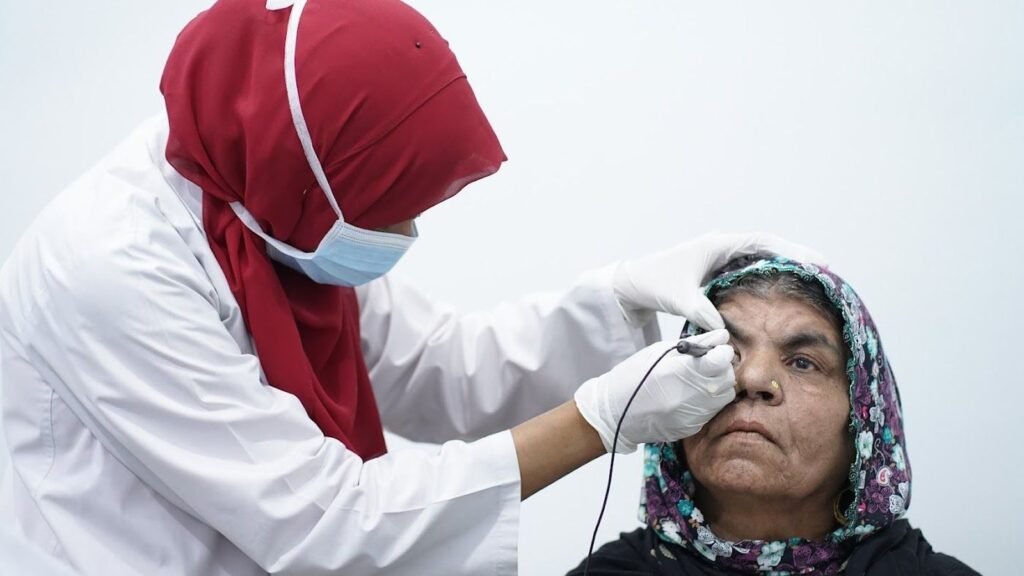
Pregnancy eye screening can need extra planning when someone already has type 1 or type 2 diabetes. The timing is linked to both preconception care and antenatal care. A routine yearly appointment may not answer every question about the period before and during pregnancy.
This guide explains the retinal assessment timeline in the NICE guideline for diabetes in pregnancy. NICE is a UK guidance body, so its schedule is not an appointment plan for every country. It is a source to discuss with your local diabetes and maternity team, not a substitute for their advice.
Why pregnancy changes the appointment plan
Diabetic eye screening looks for signs of diabetic retinopathy. NICE includes retinal assessment before and during pregnancy in its guidance for women with diabetes. That timing makes the eye check part of preparation and follow-up, rather than a task to remember only when sight feels different.
The difference matters for people with diabetes that was diagnosed before pregnancy. The recommendations below refer to pre-existing diabetes. They do not set out one universal timetable for every person who develops high blood glucose during pregnancy.
The online NICE page is called Diabetes in pregnancy, management from preconception to the postnatal period. The page lists its last update as December 2020. A clinician can check whether later local guidance changes the plan for you.
Before trying to become pregnant
NICE says that women with diabetes who are seeking preconception care should be offered a retinal assessment at their first appointment. The guideline makes an exception if an assessment was done in the previous six months. This is a specific recommendation for the preconception stage.
That wording gives you a useful question if you are planning a pregnancy. Ask whether your last retinal assessment is recent enough for the current plan. If you do not know the date, ask the clinic to check its records or help you find it.
If a pregnancy is possible or already planned, tell the clinician who coordinates your diabetes care. NICE says preconception care should begin before stopping contraception. This guide does not advise anyone to change contraception, medicines or glucose targets. Those decisions belong with the healthcare professionals who know your medical history.
A retinal check before pregnancy does not mean that later checks are unnecessary. NICE gives a separate set of recommendations for pregnancy itself. The two parts are connected, but they are not the same appointment.
After the first antenatal appointment
For pregnant women with pre-existing diabetes, NICE recommends an offer of retinal assessment after the first antenatal clinic appointment. The guideline describes digital imaging with dilation, unless a retinal assessment was completed in the last three months.
The three-month exception applies to the pregnancy recommendation. It is different from the six-month interval in the preconception recommendation. Do not combine the two intervals or assume that one automatically replaces the other. Ask which part of the timeline applies to your current stage.
The NICE page uses the word “offer”. That describes what its guideline recommends a care team should do. It does not tell us what a particular clinic can arrange, which appointment you personally need or how local services are organised in Karachi.
If you are already pregnant and have not discussed an eye check, raise it with the clinician managing your diabetes or antenatal care. Share the date of your last retinal assessment if you know it. If records are not available, say so rather than guessing.
What happens if retinopathy is found
NICE adds another step when diabetic retinopathy is present at the first antenatal appointment. It recommends an additional retinal assessment at 16 to 20 weeks. The guideline then recommends another retinal assessment at 28 weeks for women with pre-existing diabetes.
This is why the first result matters. The 16 to 20 week assessment depends on whether retinopathy was present at the first antenatal visit. The guideline does not say that every pregnant person follows an identical sequence regardless of the result.
If an eye clinician tells you that retinopathy is present, ask what the finding means and when the next review should happen. Ask who will arrange it and which clinic will contact you. Write down the plan in a place you can find later.
Do not try to interpret retinal photographs or a screening result on your own. Screening is intended to identify signs that a trained clinician can review. A result needs to be explained in the context of your health and pregnancy care.
What if the first assessment is normal
In the NICE timetable, the extra assessment at 16 to 20 weeks is linked to retinopathy being present at the first antenatal visit. The 28 week assessment is listed separately for all women with pre-existing diabetes. A normal first result does not remove that later recommendation in the guideline.
These dates are pregnancy weeks, not weeks after the first eye appointment. If you are unsure how far along you are or how an appointment fits the schedule, ask the maternity team to explain the timing. Keeping the appointment date and result with your pregnancy notes can make that discussion easier.
The guideline lists retinal assessment separately from other parts of pre-pregnancy and antenatal care. Do not assume that a blood test or a general antenatal visit has also checked the retina. Ask which eye assessment was completed and whether another one is planned.
Pre-existing diabetes and gestational diabetes are not the same section
The NICE retinal timetable described here is for pre-existing diabetes. Gestational diabetes is diagnosed during pregnancy and has its own care pathway. Do not assume that the pre-existing diabetes timeline applies to you, and do not assume that no eye review is needed.
If diabetes is first identified during pregnancy, ask the maternity or diabetes team what eye assessment they recommend. The right response is a clear plan from the professionals caring for you. A website cannot decide whether your situation needs a retinal appointment or set its timing.
The same care applies if you have diabetes but are uncertain which type was recorded. Bring that question to the clinician. The label in the record can affect which guideline pathway the team uses.
How the eye plan fits with other care
Eye screening is one part of diabetes care before and during pregnancy. It does not replace antenatal visits, glucose monitoring or other reviews. Keep your eye appointments connected to the wider plan, and tell each clinician when a recommendation from another team affects the timing.
It can help to keep one short note with the date of your most recent retinal assessment, the result if you were given one, and the date of the next planned check. Bring it to appointments or show it to a family member helping with travel and reminders.
For general information about diabetic eye checks outside pregnancy, see the PEBS guide to diabetes and yearly retina checks. A separate article explains how often different people may need an eye examination. Those pages are general guides. Your pregnancy schedule should come from your care team.
Questions to take to your appointment
Ask when your last retinal assessment was recorded and whether it meets the guideline used by your care team. If you are planning a pregnancy, ask whether a preconception check should be arranged before you try to conceive.
If you are already pregnant, ask whether the first antenatal visit should trigger a retinal assessment. If retinopathy has been found, ask whether another check is planned at 16 to 20 weeks. Ask who will tell you about the result and when the 28 week review should be booked.
You can also ask what the imaging involves. A guide to what a dilated eye exam checks may help you understand the appointment. Use it to prepare questions, not to decide which tests you need.
Before leaving, check that you know who will share the result with your diabetes and maternity teams. If you are changing clinics, ask how the assessment record will reach the next clinician. Keep a copy of any written plan.
If your appointment has been missed
If you missed a retinal assessment or cannot remember when it happened, contact the clinician managing your diabetes or pregnancy. Give them the dates you do know. Ask them to help check the record and tell you the next step.
Do not wait for blurred vision before asking about a screening appointment. The point of screening is to check for changes that may not be obvious to you. If you notice a new or sudden change in your sight, contact a healthcare professional promptly and describe what changed.
For a non-emergency question about contacting PEBS Hospital, use the pregnancy eye-screening enquiry page. It cannot replace your obstetric or diabetes team, and it is not an emergency service. If you would like to support PEBS Hospital, you can use its Donate page.
The main point is to make the eye plan explicit. Preconception care and pregnancy follow-up use different time windows in the NICE guidance. A local clinician can tell you whether those recommendations fit your circumstances and what to arrange next.
Have a question about your eyes?
PEBS Hospital in North Karachi can examine you and explain your options. Call the helpline on 021-36908053, or send a message and the team will reply.
This article is general information and does not replace an examination by an eye doctor.