
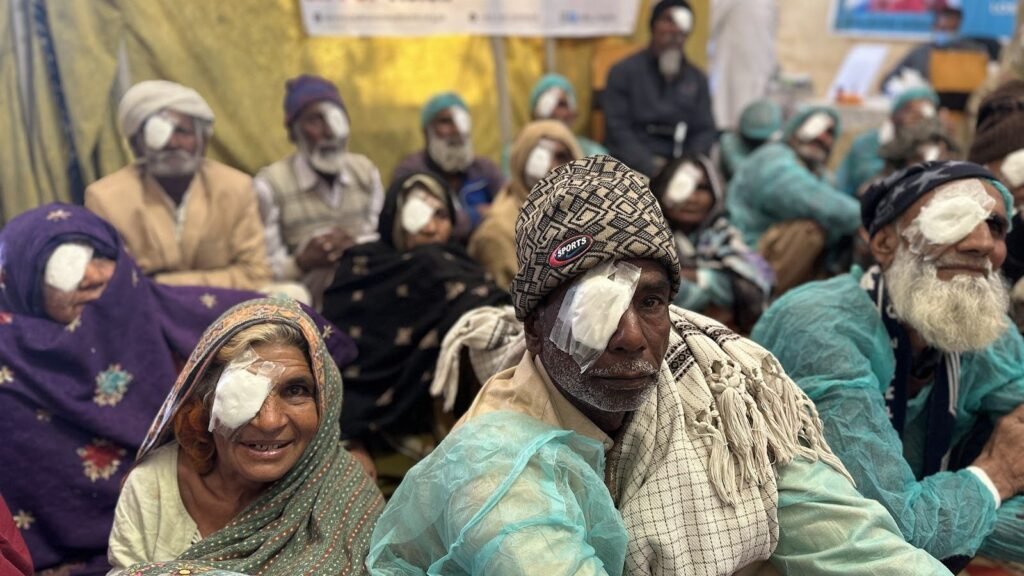
Trachoma is an eye infection caused by Chlamydia trachomatis. After repeated infections over years, scarring can pull the eyelid inward so lashes rub the cornea, causing pain and sometimes lasting sight damage. The risk comes from repeated infection, not from one red eye alone.
The World Health Organization’s current trachoma fact sheet explains the disease, how it spreads and the SAFE strategy used by public health programmes. Trachoma is not the explanation for every red or irritated eye. A health professional must assess symptoms and determine whether testing or treatment is needed.
WHO’s fact sheet dated 7 September 2026 estimates that 92 million people live in areas where trachoma remains endemic, based on March 2026 data. It estimates that about 1.9 million people worldwide have blindness or visual impairment from the disease. These figures describe the global burden; they do not predict an individual person’s symptoms or outcome.
How the infection spreads
The infection can pass when discharge from an infected person’s eye or nose reaches another person. This can happen through close contact or through hands, clothing, bedding and hard surfaces. Certain flies can also carry discharge from eyes or noses. Repeated exposure in a household or community can allow infection to return after an earlier episode has cleared.
Active trachoma is more common among preschool children in places where the disease is endemic. Young children can have less severe symptoms than the adults who later develop scarring. Close contact within families means that keeping the face clean, having enough water and being able to wash hands and bedding can support prevention.
These are population and household conditions, not a reason to blame a family. Trachoma transmission is shaped by access to water and sanitation, housing conditions and whether communities can reach public health services. Advice needs to fit the local situation and be provided respectfully.
WHO notes that one infection may clear, while reinfection can occur repeatedly in endemic communities. The combined approach reflects that pattern: clinical care addresses infection or eyelid damage, while cleanliness, water and sanitation measures aim to reduce repeated exposure. Those living conditions depend on community infrastructure as well as individual choices.
Why repeated infection matters
After repeated episodes, the inner surface of the eyelid can become scarred. Scarring may pull the eyelid inward. The lashes can then scrape the eye with each blink. This stage is called trachomatous trichiasis. People may feel pain, irritation or sensitivity to light. The repeated contact can damage the cornea and leave a cloudy area.
Damage can build over time. A person may first notice discomfort or lashes touching the eye, then later develop worse corneal scarring. The age and speed of change differ between people and places. It is not possible to predict an individual’s outcome from a general description of trachoma.
Repeatedly rubbing an eye does not treat the infection or remove the cause of in-turned lashes. If lashes are touching the eye, the person should be assessed by a qualified eye-care professional. The right response depends on whether active infection, eyelid scarring or another condition is present.
Symptoms need an examination
Early trachoma may cause redness, discharge or irritation. These signs can look like other eye problems. A general article cannot tell whether a person has trachoma. A clinician considers the appearance of the eyelid and eye, the history of symptoms and the person’s exposure in an affected area.
Ongoing pain, light sensitivity, lashes rubbing the eye or a change in sight should be discussed with an eye-care professional. A sudden or severe change in vision needs prompt medical attention. Tell the clinician when symptoms began, whether they affect one or both eyes and whether anyone nearby has had a similar problem.
An eye professional can assess whether lashes have turned inward, whether they touch the cornea and whether another condition better explains the symptoms. The history should include how long the problem has been present, any change in sight and possible exposure. A symptom list alone cannot confirm trachoma.
Do not use leftover antibiotics or share eye drops. Treatment depends on the stage and public health context. A clinician can decide whether an antibiotic is appropriate, whether eyelid surgery is needed for trichiasis, or whether another cause needs attention.
What the SAFE strategy means
The World Health Organization describes SAFE as a strategy for eliminating trachoma as a public health problem. Each letter refers to one part of the response:
- Surgery treats the in-turned lashes that can damage the eye.
- Antibiotics are used to clear infection. In affected communities, health authorities may organise treatment programmes rather than relying only on individual clinic visits.
- Facial cleanliness helps reduce the discharge that can carry infection.
- Environmental improvement includes better access to water and sanitation.
The parts target different stages. Surgery treats lashes turned inward after scarring. Antibiotics clear infection and may be organised through a public health programme. Facial cleanliness and environmental improvements aim to reduce transmission. No household can create safe water or sanitation by itself. WHO describes shared public health planning and community participation alongside clinical care for people with symptoms.
Anyone who may have trachoma should follow advice from a qualified clinician or public health service. This guide does not prescribe antibiotics or describe a treatment schedule. The correct approach depends on the person’s examination and the local programme.
What elimination means for Pakistan
In its fact sheet updated on 7 September 2026, WHO lists Pakistan among countries validated as having eliminated trachoma as a public health problem as of 4 September 2026. This is a public health status, not a promise that no individual eye infection can ever occur. It also does not mean that every red eye is trachoma or that the disease has disappeared worldwide.
WHO’s definition combines population measurements and a care system. It requires trachomatous trichiasis unknown to the health system to affect fewer than 0.2% of adults aged 15 or older, and trachomatous inflammation to affect fewer than 5% of children aged 1 to 9 in each previously endemic district. The child threshold must remain below 5% for at least two years without ongoing mass antibiotic treatment. A system must also be able to identify and manage new trichiasis cases and have resources to continue that work.
Taken together, these measures track both ongoing infection in children and later eyelid damage that can threaten sight. The case-management requirement means a country needs a way to identify new cases after validation. This is a population-level status. It cannot diagnose an individual or guarantee that no future infection will occur.
Globally, trachoma continues to affect some communities, particularly in rural areas with limited access to water and sanitation. International prevention and treatment efforts remain relevant. A careful explanation keeps local status and global burden separate.
How community information can help
Accurate information helps people understand why repeated infection can lead to lasting damage and why prevention involves both clinical care and living conditions. Community education should avoid stigma. It should explain how to seek assessment and should not single out a family or imply that illness results from carelessness.
For a wider view of PEBS Hospital’s listed services, see the hospital services page. The site also describes medical camps. Those pages are general information; they do not establish that a particular trachoma programme is currently offered.
Common questions about trachoma
Does a red eye mean trachoma?
No. Redness, discharge and irritation can occur with many eye problems. Trachoma is assessed from the eyelid and eye findings, the history and, where relevant, possible exposure. A symptom list cannot confirm it.
Can one infection cause lasting sight damage?
WHO explains that the immune system may clear one episode. Repeated infection over years can scar the inner eyelid, turn lashes inward and damage the cornea. That longer process creates the risk of lasting sight loss.
Does WHO validation mean trachoma is gone from Pakistan?
No. WHO validated Pakistan as having eliminated trachoma as a public health problem as of 4 September 2026. The status means population thresholds and case-management requirements were met; it is not a promise of zero future infections.
What does SAFE stand for?
SAFE means surgery, antibiotics, facial cleanliness and environmental improvement. The parts address eyelid damage, infection and transmission. A clinician or public health service decides what applies to a person or community.
Why do water and sanitation matter?
WHO includes access to water and sanitation in environmental improvement. These conditions support face washing and reduce transmission opportunities. They depend on community infrastructure as well as household choices.
When should someone seek an eye examination?
Persistent pain, light sensitivity, lashes rubbing the eye or a change in sight should be assessed by an eye-care professional. Sudden or severe vision change needs prompt medical attention.
Questions to take to a clinician
- What signs show whether the lashes are rubbing against the eye?
- Could another eye condition explain the redness or discharge?
- Does the eyelid need treatment to protect the cornea?
- Are antibiotics being recommended for an individual or through a public health programme?
- What should prompt an earlier review if the symptoms change?
For a PEBS enquiry, use the trachoma enquiry page and describe the information you need. Readers who wish to support PEBS can visit the donate page. A clear conversation should separate individual symptoms from the public health status of trachoma in a country.
Have a question about your eyes?
PEBS Hospital in North Karachi can examine you and explain your options. Call the helpline on 021-36908053, or send a message and the team will reply.
This article is general information and does not replace an examination by an eye doctor.
