
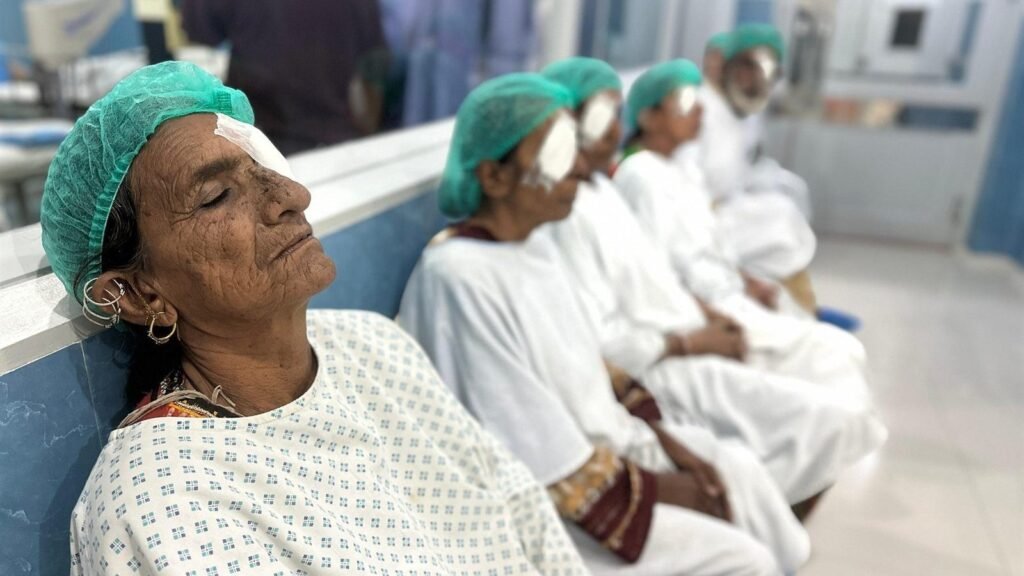
Cornea transplant recovery can look different from one person to another. The operation may replace the inner layer, outer and middle layers, or the full cornea. The NHS cornea transplant guide explains that the type of transplant affects how long vision takes to improve. This guide covers the first days, care at home, follow-up, and symptoms that need urgent attention. Your own surgeon’s instructions always come first.
Recovery depends on the type of transplant
The cornea is the clear outer part at the front of the eye. A transplant replaces all or part of a damaged cornea. Some operations replace only an inner layer. Others replace outer and middle layers or the full thickness.
That difference matters after surgery. The NHS says vision may take up to six months to improve after an inner-layer transplant. It may take up to eighteen months when the outer and middle layers are replaced. After a full-thickness transplant, gradual improvement can take up to two years.
These are broad estimates from NHS guidance, not a prediction for one patient. Healing depends on the operation and the eye. Your surgical team can explain which procedure you had and what changes they expect to monitor.
It can be hard to wait when sight is blurry or uneven. Improvement may happen gradually rather than in a straight line. Glasses or contact lenses may still be needed after healing. Ask the surgeon what changes are expected and when to report a concern.
What may happen just after surgery
The NHS says a cornea transplant usually takes one to two hours. Many people go home the same day, while some stay in hospital for one or two days. The details depend on the operation and the patient.
A patch may cover the eye after surgery. The NHS says it can usually be removed the next day. Your team may give you a plastic shield to wear at night. Use it as instructed, because it is there to protect the eye while you sleep.
You may have some swelling, redness, discomfort, or soreness. The NHS says these symptoms may continue for up to two weeks. If pain is increasing or you are worried about the eye, contact the team caring for you rather than relying on a general timeline.
Some inner-layer operations use an air bubble to hold the donor tissue in place. The NHS says patients who have this type may be asked to lie on their back as much as possible for the first day or two. This does not apply to every transplant, so follow the instructions linked to your own operation.
Eye drops and follow-up appointments
The NHS says people are given steroid and antibiotic eye drops to use every day after a cornea transplant. The drops may need to continue long term to reduce the risk of the transplant failing. Use only the schedule provided by your surgical team.
Do not change the number of drops or stop them because the eye feels better. If the label is hard to read, a bottle is lost, or a dose is unclear, call the team or ask a pharmacist to confirm the instructions. A friend’s schedule cannot replace the prescription written for your eye.
Follow-up begins in the first week, according to NHS guidance. Appointments may then continue every few months for a year or two, and sometimes longer. These visits give the care team a chance to examine the eye and review how recovery is progressing.
Stitches may stay in place for several months. The NHS says they are gradually removed at follow-up appointments. Do not try to touch or remove a stitch yourself. Ask the clinic when it expects to review the stitches and what to do if you feel something unusual.
Protect the eye while it heals
Your team will explain what to avoid after surgery. NHS guidance says not to rub the eye for the first few weeks. Rubbing can put pressure on a healing eye, so ask someone at home to remind you if you are likely to touch it without thinking.
You may bathe or shower as usual, but the NHS advises avoiding water in the eye for at least a month. Be careful when washing your face and hair. Ask the team how to keep the eye dry in your own situation, especially if you need help with personal care.
The NHS also advises avoiding swimming and eye make-up for at least a month. Contact sports should wait until the doctor says they are safe. Do not drive until your vision has improved enough for you to drive legally and your doctor has said it is appropriate.
Work and daily activity need an individual plan. The NHS says a person may need around two weeks away from work, but the time depends on the procedure and the job. A job that involves dust, lifting, travel, or close contact with people may raise different questions from desk work. Discuss duties with the surgeon before making a return date.
Keep instructions easy to follow
Several different instructions can arrive at once. Put the drop schedule, shield advice, appointment dates, and contact details in one place. A family member can help write them down, but the patient should also hear the plan directly from the care team.
Before leaving the clinic, check that you know which eye was operated on and when the next visit is due. Ask whether the shield should be worn during the day, at night, or both. Ask how long to keep water away from the eye and when work or travel can be discussed.
If there are two types of drops, ask how to tell them apart. The labels may look similar. A simple written list can reduce confusion, especially when a relative helps with the routine. Keep the original bottles so the name and directions can be checked.
Keep appointments even when the eye feels comfortable. Feeling better does not tell you whether the graft is healing as expected. If transport, work, or another problem could make you miss a visit, call the clinic and ask what to do.
Prepare for home and follow-up
Before leaving the clinic, make sure you know how to reach the surgical team and when the first review is planned. Ask for the drop instructions in writing. Confirm which eye needs each medicine and how long the team expects you to keep using it.
If a relative will help at home, invite them to hear the instructions with you. They can help keep the appointment date visible and make sure the shield and drops are easy to find. The patient should still be able to ask questions directly.
Write down which activities need approval before restarting. Ask about work, driving, exercise, and travel in the same conversation. These decisions depend on your operation and the progress seen at follow-up, so a general recovery timeline cannot clear an individual activity.
Warning signs need prompt advice
The NHS says to contact the care team straight away if you have a red eye, eye pain, light sensitivity, or blurred vision after a cornea transplant. New floaters, flashes of light, or a dark curtain or shadow in your vision also need urgent advice.
These symptoms can have different causes. Some may signal a serious complication, including transplant rejection or a detached retina. A general article cannot decide what is happening. Follow the urgent contact instructions from your team and explain that you have had a cornea transplant.
If you cannot reach the team, use the urgent-care route available where you live. Do not wait for a routine appointment when a warning sign appears. If you are unsure whether a symptom counts, call and describe it.
Questions to ask the surgical team
- Which cornea layers were replaced in my operation?
- What changes in vision should I expect during the first weeks?
- How should I use each prescribed drop?
- How long should I wear the shield, and when should I lie on my back?
- When can I return to work, drive, exercise, swim, or wear eye make-up?
- Which number should I call if redness, pain, or blurred vision appears?
Write down the answers or ask a family member to do it with you. If anything is unclear after you leave, contact the team for clarification. It is safer to ask than to guess at an instruction that protects a healing eye.
Learn more and get personal guidance
For background on why a transplant may be considered, read this overview of corneal blindness and cornea transplant. A separate article explains the cornea shortage and waiting lists. These pages do not replace advice from your own surgeon.
If you have a question about your situation, use the cornea-transplant recovery enquiry page to ask PEBS about your case. If you would like to support the organisation, the Donate page lists the available ways to give. Keep recovery decisions with your surgical team, who can see your eye and operation details.
Have a question about your eyes?
PEBS Hospital in North Karachi can examine you and explain your options. Call the helpline on 021-36908053, or send a message and the team will reply.
This article is general information and does not replace an examination by an eye doctor.
