
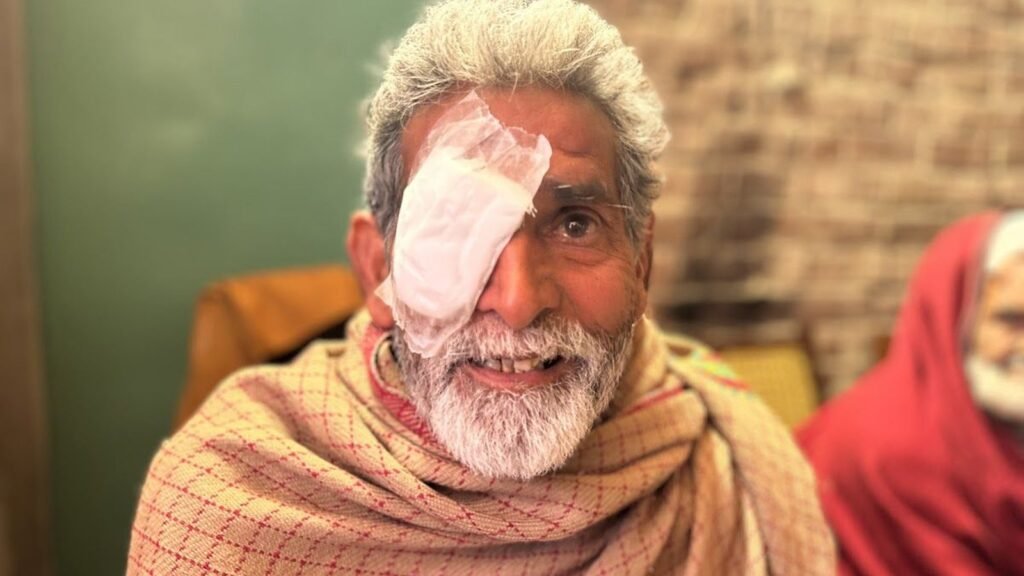
Monocular vision means having sight in one eye, or having a major difference in sight between the two eyes. Everyday tasks can feel different while the brain adjusts. A step may be harder to judge, a person on one side may go unnoticed, or pouring water into a cup may take more care. This guide explains why those changes can happen, what may help at home and how to look after the eye you rely on.
What changes when one eye sees less
When both eyes work together, the brain compares the two images. With sight in one eye, depth judgement can change. The field of view may also be reduced on the side of the affected eye. Some people notice objects less readily in a busy or unfamiliar place. If the affected eye still has partial sight, its image may also seem less clear than the one from the stronger eye.
These changes can make simple actions feel awkward. A cup may be harder to line up with a jug. The last step on a staircase may look closer or farther away than expected. A kerb can be difficult to judge while crossing a road. These experiences do not mean that a person cannot learn new ways to manage. They mean that the visual system is adapting to different information. The RNIB guide to monocular vision describes these adjustment experiences and practical strategies in more detail.
Some people also feel eye strain after reading or watching television. RNIB says using the stronger eye for these tasks does not damage it. Taking a break may help if the eye feels tired. If discomfort is persistent, new or increasing, ask an eye-care professional rather than assuming it is ordinary adjustment.
Adjustment takes time
The brain can adapt to monocular vision, but the time varies from one person to another. Sudden loss can take longer to adjust to than a gradual change. With time, people may find that tasks that felt difficult become more natural. The brain can use clues such as an object’s size, position, texture, shadow and lighting to help judge where it is.
There is no fixed timetable that applies to everyone. The cause of the sight loss, the other eye’s vision and the person’s surroundings all matter. Avoid comparing your progress with another person’s. Tell your clinician which activities remain difficult so that advice can be fitted to your needs.
Small changes for daily tasks
Try one practical adjustment at a time. When placing a glass on a table, rest your other hand on the surface and set the glass beside it. When pouring, gently touch the lip of the jug to the cup. Use a handrail on stairs and move at a pace that lets you check where the next step is.
At a road crossing, pause at the kerb and take time to judge the distance of vehicles. Do not rely on a single quick glance. Turning the head further towards the side where vision is reduced can help you check the area. In a crowded place, walking beside a companion or with a wall on the affected side may make it easier to notice people and obstacles.
Tell family and friends which side is easier for you to see. They can choose a seat or walking position that helps you follow a conversation and notice what is around you. This is a practical preference, not a request for people to speak for you or make decisions on your behalf.
Making home safer and easier to use
Keep familiar items in consistent places. Good lighting and clear walking paths can make it easier to locate objects. Avoid leaving bags, shoes or small items on stairs and walkways. When rearranging a room, tell the person with monocular vision and give them time to learn the new layout.
When trying a new task, slow it down until the movements become familiar. A person can practise pouring with cool water, for example, before handling a hot drink. Ask for help with a task that feels unsafe. The purpose is to find a reliable method, not to force an activity before the person is ready.
Sports and do-it-yourself tasks can put the better-seeing eye at risk of injury. RNIB suggests asking a dispensing optician about protective eyewear for activities such as gardening or DIY. The right protection depends on the activity and needs to fit properly. Do not assume ordinary glasses offer the same protection as safety eyewear.
Reading and screens
Using the stronger eye to read or watch television does not damage it, according to RNIB. If the eyes become tired, take a short pause and return when comfortable. Adjusting text size, brightness or contrast may make a screen easier to use. These are comfort measures, not treatment for the eye condition that caused the sight loss.
If print remains difficult, tell the eye-care professional. It may be useful to check whether the glasses prescription is current and whether another vision issue is present. An appointment can also discuss magnification, lighting or other aids if appropriate.
Driving and travel
Driving rules depend on the country and the person’s individual vision. RNIB explains United Kingdom requirements on its page, but those rules do not set the standard in Pakistan. Do not use advice written for another country to decide whether you may drive here. Ask an eye specialist about adaptation and check the current local licensing requirements before driving.
Even where a person meets a legal standard, judging distance and noticing objects on one side may take adjustment. A vehicle’s own blind spots still matter. Ask a qualified clinician when it is safe to return to driving and what limitations apply to your case. If you rely on public transport or walk, choose a route that allows time to check crossings and unfamiliar steps.
Protecting the eye you rely on
Regular eye examinations can help monitor the eye with better sight. Ask an optometrist how often your eyes should be checked. The interval depends on your personal circumstances, so an online schedule cannot replace advice from a clinician.
Tell the clinician about any change in the stronger eye, even if it seems small. A change in clarity, new distortion or discomfort deserves proper attention. Do not wait for the other eye to compensate. A check-up can also confirm whether glasses or another part of your eye health needs attention.
Our guide to what a dilated eye examination checks explains one type of eye visit. The professional you see can tell you whether dilation or a different assessment is useful for your circumstances.
Emotional adjustment matters too
Adapting is not only physical. Sight loss can affect confidence, independence and how comfortable someone feels in a crowd. It is reasonable to feel unsettled while learning new ways to move through a familiar place. Let the people around you know which support is useful and which tasks you want to keep doing yourself.
Choose a small task to practise rather than trying to change everything at once. Keep note of what helps. If worry is stopping you from taking part in daily life, discuss it with a trusted health professional. Practical advice and time can both be part of adjustment.
Questions for an appointment
- What is the cause of the sight difference between my eyes?
- How often should the eye with better sight be checked?
- Would protective eyewear help with a hobby or task I do regularly?
- Which changes should lead me to contact the clinic sooner?
- Is there an adjustment or visual aid that could make a difficult task easier?
Bring your glasses and a list of medicines. If a family member has noticed a practical difficulty, ask them to describe the situation clearly. Questions about driving should include the local rules and the clinician’s advice about your own vision.
Where to turn
If you would like to ask about arranging an eye examination, visit the PEBS Hospital contact page. It does not confirm which service is right for a particular person. Information for people who wish to support eye care is on the donate page. A qualified eye-care professional can advise about your own sight and safety.
Have a question about your eyes?
PEBS Hospital in North Karachi can examine you and explain your options. Call the helpline on 021-36908053, or send a message and the team will reply.
This article is general information and does not replace an examination by an eye doctor.
